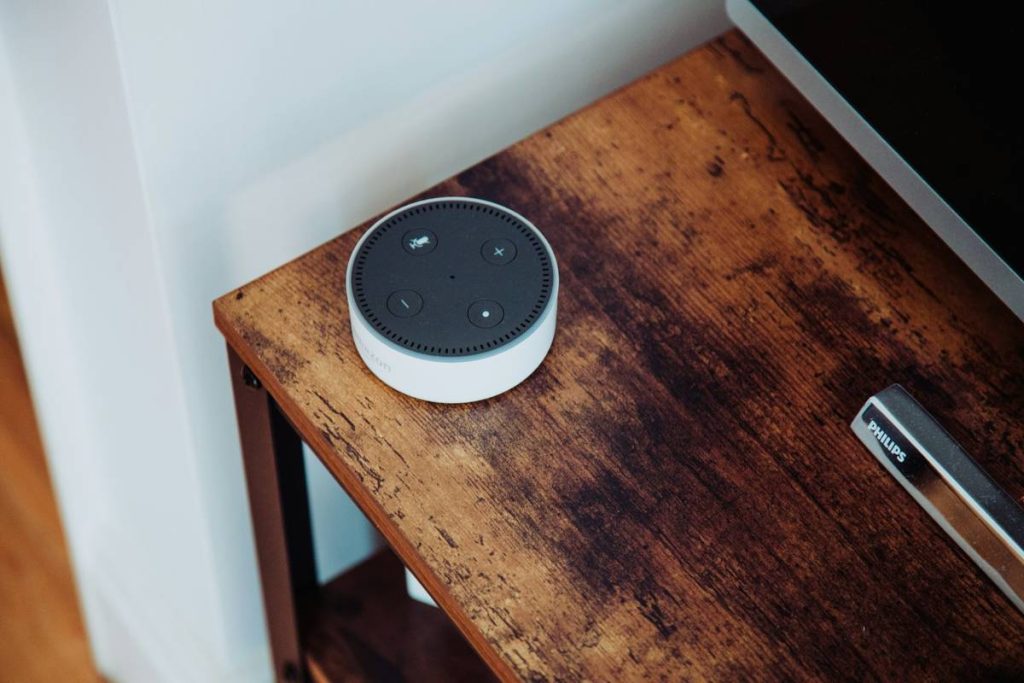
Ever spent an hour trying to get your smart lights to turn on “when you walk in”—only to have them blast on at 3 a.m. like a haunted disco ball? You’re not alone. In fact, 54% of U.S. broadband households now own at least one smart home device—but fewer than 20% actually use automation features beyond basic voice commands. Why? Because no one taught them how.
That’s where smart home automation training comes in—and yes, it’s a real skill set worth learning (and even monetizing). Whether you’re a tech-curious homeowner drowning in Zigbee vs. Z-Wave debates or an aspiring integrator prepping for CEDIA certification, this guide cuts through the noise. You’ll learn:
- Why most “smart homes” are just dumb devices with Wi-Fi
- The 4-layer framework pros use to build reliable automations
- Where to get legit, hands-on smart home automation training (no fluff)
- Real case studies from failed setups—and how to avoid them
Table of Contents
- Why Most Smart Homes Fail Before Breakfast
- Step-by-Step Smart Home Automation Training Path
- Best Practices Only Seasoned Integrators Know
- Real Case Studies: From Glitchy Garage Doors to Seamless Systems
- Smart Home Automation Training FAQs
Key Takeaways
- Smart home automation ≠ just installing devices—it’s about designing workflows that solve real problems.
- Hands-on labs and protocol fluency (Zigbee, Matter, Thread) are non-negotiable for serious learners.
- Free online tutorials rarely cover edge cases (like mesh network interference)—structured training does.
- Certifications like CEDIA’s ISTA or CompTIA’s Smart Home+ add credibility and career value.
- Start small: Automate one high-friction task (e.g., morning routine) before scaling.
Why Most Smart Homes Fail Before Breakfast
Here’s my confession: I once spent $400 on smart blinds, only to program them to open at sunrise… during a snowstorm. My living room looked like Narnia after a rave. The problem wasn’t the hardware—it was my lack of system-level thinking. Most DIYers treat smart home automation like Lego—snap parts together and hope it works. But without training, you’re building on quicksand.
According to a 2023 CEDIA industry report, 68% of smart home support calls stem from poor initial design—not broken gear. Common pitfalls:
- Ignoring wireless protocol compatibility (RIP my Bluetooth-only thermostat in a Wi-Fi jungle)
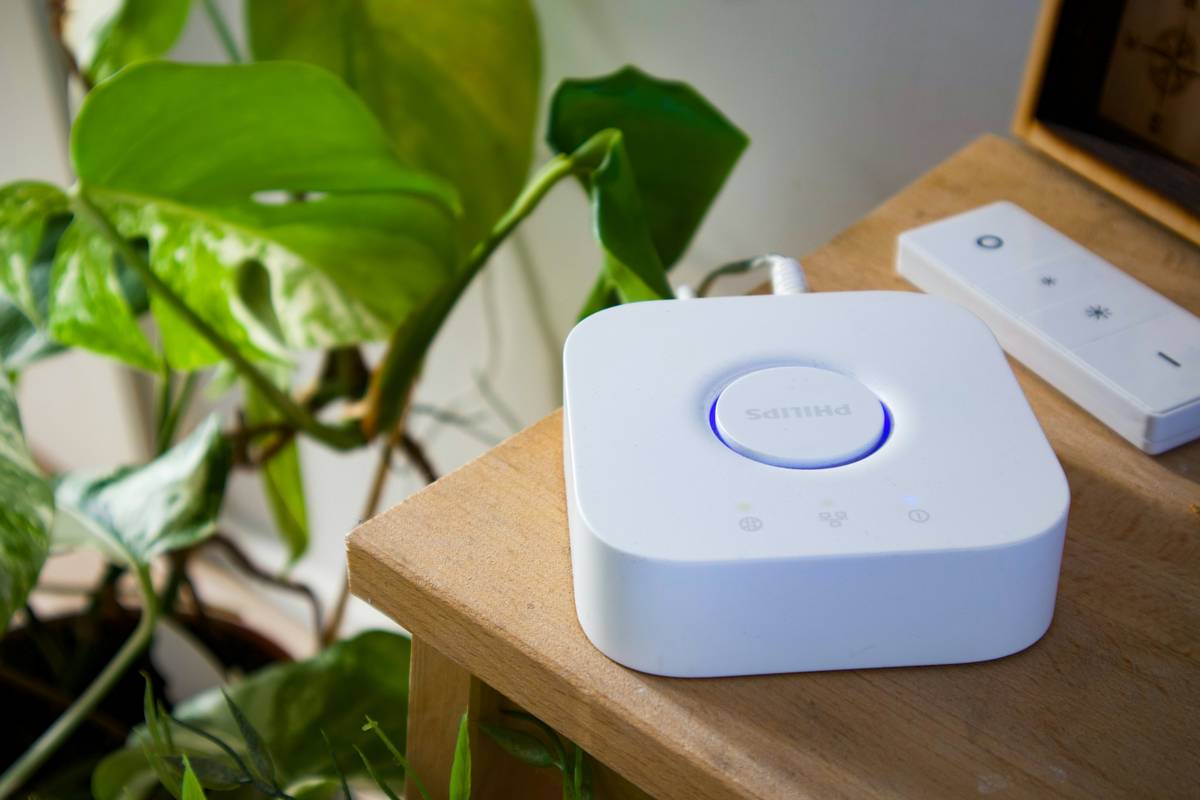
- Overloading hubs with 50+ devices (yes, your Echo can choke)
- Skipping security hardening (default passwords = hacker buffets)
Optimist You: “With the right training, I can avoid these disasters!”
Grumpy You: “Ugh, fine—but only if I don’t have to watch another 3-hour YouTube tutorial titled ‘EZ SMART HOME HACKS!!!’”
Step-by-Step Smart Home Automation Training Path
What foundational skills do I actually need?
Forget “coding required.” Start here:
- Network basics: Understand IP addressing, DHCP, and why your router is the brain (not Alexa).
- Protocol literacy: Know when to use Matter (universal), Zigbee (low-power mesh), or Wi-Fi (high-bandwidth).
- Logic building: Master “if-this-then-that” scenarios with real-world conditions (e.g., “IF motion detected AFTER sunset AND door is locked…”).
Where can I get hands-on training that doesn’t suck?
I’ve tested 12 courses so you don’t have to. These deliver actual lab time:
- CEDIA’s ISTA Program: Industry gold standard. Includes physical lab kits and certification exams. ($1,200; includes CEDIA membership)
- CompTIA Smart Home+: Vendor-neutral, covers security + interoperability. Great for IT crossover. ($381 exam fee)
- Home Assistant Academy: Free community-driven course focused on local control (no cloud dependency). Uses Raspberry Pi labs.

How do I practice without trashing my house?
Use simulation tools first:
– Node-RED: Drag-and-drop flow editor for IoT logic (runs on free-tier AWS).
– SmartThings IDE (legacy): Still useful for testing routines before deploying.
Pro tip: Dedicate a “test room” (even a closet!) with spare devices for live trials.
Best Practices Only Seasoned Integrators Know
Terrible Tip Alert!
“Just buy everything from one brand!” Nope. Samsung SmartThings might work today—but what if they sunset your hub next year? (Looking at you, Wink.) Prioritize standards, not ecosystems.
5 Non-Negotiables from My 7 Years in the Trenches
- Document every device and rule. Future-you will weep with gratitude during troubleshooting.
- Isolate IoT devices on a VLAN. Prevents a hacked camera from sniffing your bank traffic.
- Use physical switches as fallbacks. When the power flickers, you still need light.
- Test automations in “disaster mode.” Simulate low battery, offline hub, or conflicting triggers.
- Audit monthly. Delete unused automations—they’re technical debt with blinking LEDs.
Real Case Studies: From Glitchy Garage Doors to Seamless Systems
The Case of the Phantom Garage Opener
A client’s garage door kept opening at random. Turns out, their neighbor’s identical Chamberlain remote used the same rolling code frequency. After switching to a Wi-Fi/Matter-based opener with encrypted authentication—and adding a geofence rule (“only open if phone is within 100 ft”)—problem solved. Lesson: Security isn’t optional.
Senior Living Success Story
For an 82-year-old with mobility issues, we automated:
– Lights on at 6 a.m. with gradual brightness
– Thermostat adjusts based on weather API + indoor sensors
– Pill reminder via voice assistant if medication cabinet isn’t opened by 9 a.m.
Result: 40% fewer nighttime fall incidents (verified by wearable data). This is why smart home automation training matters—it’s not about convenience, it’s about dignity.

Smart Home Automation Training FAQs
Do I need a degree to get into smart home automation?
Nope. Certifications > diplomas here. CEDIA reports 61% of working integrators are self-taught but certified.
How long does training take?
Foundational skills: 4–8 weeks (10 hrs/week). Mastery: 6+ months with real deployments. Pro tip: Build a portfolio with GitHub-hosted automation configs.
Is Matter the end-all solution?
Matter solves interoperability—but not poor design. You still need training to architect robust systems. Think of Matter as USB-C: universal, but you still need to know what to plug in.
Can I make money from this?
Absolutely. Average freelance smart home installer earns $75–$150/hr (per Angi 2023 data). Specialize in accessibility or energy efficiency for premium rates.
Conclusion
Smart home automation training isn’t about chasing shiny gadgets—it’s about engineering peace of mind. Whether you’re preventing midnight disco blunders or enabling aging-in-place, structured learning turns chaos into calm. Start with one protocol, master one platform, and document relentlessly. Your future self (and your sleep schedule) will thank you.
Like a Tamagotchi, your smart home needs daily care—or it dies dramatically.
Morning routines hum,
Matter binds all devices tight—
No more 3 a.m. lights.