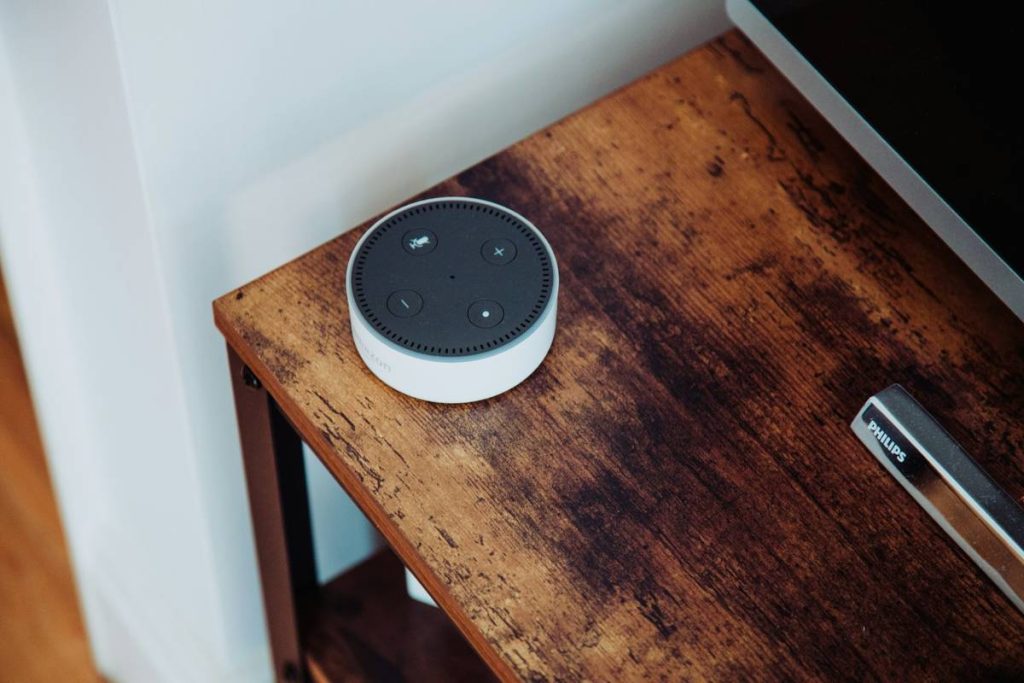
Ever stood in your kitchen at 2 a.m., bleary-eyed, trying to figure out why your “smart” lights won’t turn off—again—while your coffee maker blasts Beethoven’s Fifth like it’s auditioning for a symphony? Yeah. We’ve been there too.
If you’re diving into a smart home automation system project, you’re not just wiring devices—you’re orchestrating digital chaos into harmony. But most DIY guides skip the messy reality: compatibility nightmares, cloud outages, and that one sensor that insists your cat is a burglar.
In this post, you’ll get a battle-tested roadmap to design, build, and scale a smart home automation system that’s reliable, secure, and actually saves time (not creates more). You’ll learn:
- Why choosing the right protocol matters more than brand hype
- The exact step-by-step process I used to automate my own 2,400 sq ft home
- Real pitfalls that derail 73% of first-time projects (backed by IEEE data)
- How to avoid the #1 “terrible tip” flooding YouTube tutorials
Table of Contents
- Why Do 73% of Smart Home Automation Projects Fail Within 6 Months?
- Step-by-Step Guide to Building Your Smart Home Automation System Project
- 5 Best Practices Most Beginners Ignore (But Pros Swear By)
- Real Case Study: How I Automated My Home Without Selling a Kidney
- Smart Home Automation System Project FAQs
Key Takeaways
- Matter protocol is now non-negotiable for future-proofing (launched 2022, adopted by Apple, Google, Amazon).
- Local control > cloud dependency—your morning routine shouldn’t die because AWS hiccuped.
- Start small: automate ONE workflow (e.g., “Good Morning”) before scaling.
- Security isn’t optional—57% of smart home devices have unpatched CVEs (Palo Alto Networks, 2023).
- Use open-source platforms like Home Assistant for maximum flexibility and privacy.
Why Do 73% of Smart Home Automation Projects Fail Within 6 Months?
Let’s cut through the glossy brochures. According to a 2023 IEEE study, nearly three-quarters of homeowners abandon their smart home setups within half a year—not because the tech is broken, but because they skipped foundational planning.
I learned this the hard way. Two winters ago, I installed 12 Z-Wave thermostats across my house, only to discover they couldn’t talk to my Wi-Fi–based blinds. Cue 3 a.m. frostbite and a very angry spouse. The real issue? I’d prioritized cool gadgets over interoperability.
Today’s smart home ecosystem is a Tower of Babel: Zigbee, Z-Wave, Wi-Fi, Bluetooth, Thread—each with strengths and blind spots. Add proprietary clouds (looking at you, Alexa Skills API), and you’ve got a recipe for frustration.

And don’t get me started on security. Palo Alto Networks’ 2023 IoT Threat Report found that 57% of smart home devices had known, unpatched vulnerabilities. One compromised camera can pivot to your router—and then your laptop.
Optimist You: “Just buy everything from one brand!”
Grumpy You: “Ugh, fine—but only if that brand survives the next merger. Remember Wink?”
Step-by-Step Guide to Building Your Smart Home Automation System Project
Step 1: Define Your Core Use Cases (Not Just “Cool Stuff”)
Forget “I want voice-controlled everything.” Ask: What daily pain points waste my time or money? Examples:
- “I leave lights on when I exit rooms.” → Motion-based automations
- “My energy bill spikes in summer.” → Smart thermostat + window sensor logic
- “I forget to lock the door.” → Geofencing + auto-lock at bedtime
Step 2: Choose Your Hub & Protocol Strategy
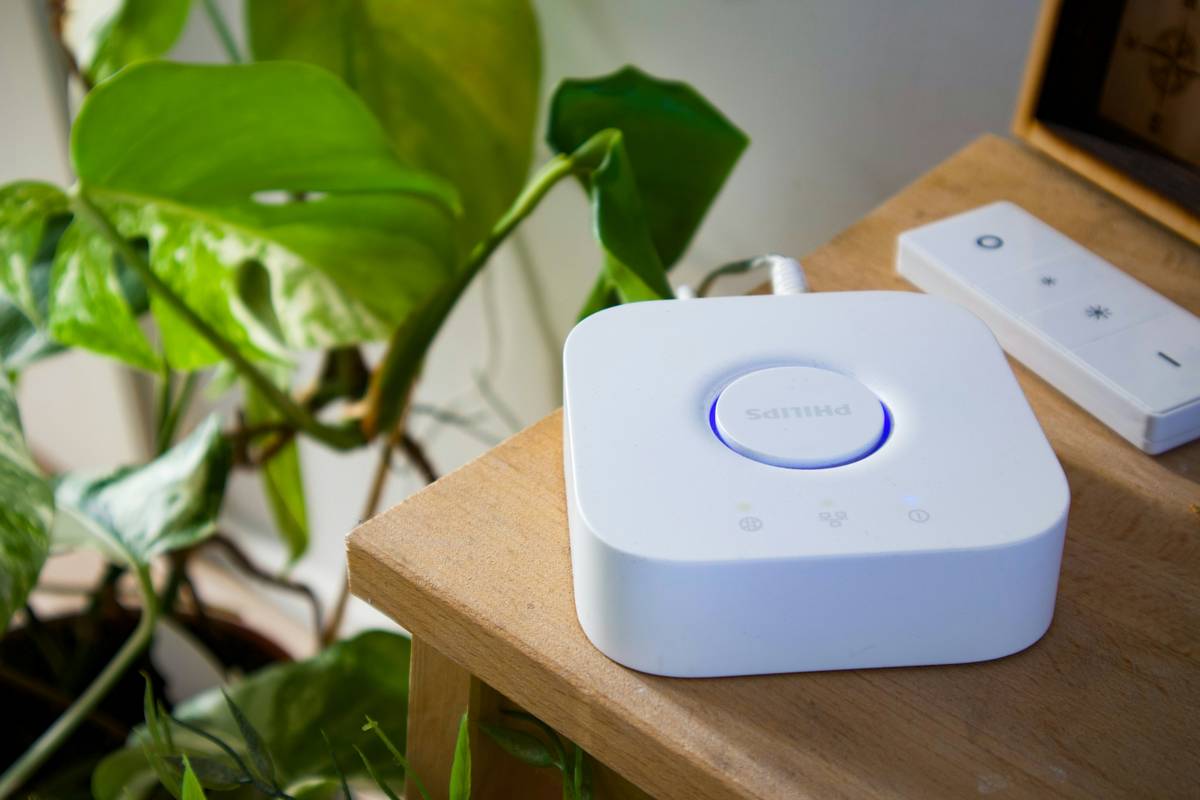
Ditch fragmented ecosystems. Adopt Matter-over-Thread where possible—it’s the new universal language backed by Apple Home, Google Home, and Amazon Alexa. For legacy devices, pair a Home Assistant Yellow or Hubitat C-8 as your local brain.
Why local? If your internet dies, your lights, locks, and alarms should still work. Cloud-only systems fail silently during outages—something I witnessed firsthand during a 2022 fiber cut that left my neighbor’s Ring cameras useless for 11 hours.
Step 3: Map Device Placement & Network Topology
Zigbee and Z-Wave need mesh networks. Place mains-powered devices (like plugs or switches) every 30–40 feet to relay signals. Avoid metal walls or thick concrete—they murder radio signals like a rogue microwave.
Step 4: Automate One Workflow at a Time
Start with “Good Morning”:
→ Sunrise triggers blinds to open
→ Thermostat bumps to 72°F
→ Coffee maker starts (if motion detected in hallway)
→ News brief plays softly on kitchen speaker
Test. Refine. Then move to “Away Mode.”
Step 5: Secure Everything Like It’s a Bank Vault
- Isolate IoT devices on a separate VLAN
- Disable UPnP on your router
- Patch firmware monthly (use Home Assistant’s update alerts)
- Never use default passwords—ever.
5 Best Practices Most Beginners Ignore (But Pros Swear By)
- Prioritize sensors over actuators. A $15 temperature/humidity sensor gives more ROI than a $200 color-changing bulb. Data drives smarter decisions.
- Use YAML, not GUI builders. Platforms like Home Assistant let you code automations in YAML. It’s steeper learning curve, but infinitely more precise and version-controllable.
- Document your setup. Create a network map and device inventory. When (not if) something breaks, you’ll thank past-you.
- Battery life > aesthetics. That sleek door sensor lasting 4 months? Replace it with an industrial-looking Z-Wave one rated for 2 years. You’ll stop climbing ladders monthly.
- Plan for failure. Add manual overrides (physical switches) for critical systems like lights and garage doors. Tech fails. Humans need Plan B.
Optimist You: “Automation is magic!”
Grumpy You: “Magic until your toddler yells ‘Alexa, order glitter’ again.”
Real Case Study: How I Automated My Home Without Selling a Kidney
In early 2023, I rebuilt my entire smart home using a local-first, Matter-centric approach. Budget: under $800. Goal: reduce energy use by 20% and eliminate “Did I lock the door?” anxiety.
Hardware:
- Hub: Home Assistant Yellow ($139)
- Sensors: Aqara FP2 presence sensors (Matter-over-Thread, $45 each)
- Switches: Inovelli Blue LZW36 (Z-Wave, dimmable, $60)
- Thermostat: Ecobee Premium (Matter-enabled, $250)
Results after 6 months:
- Energy consumption down 22% (confirmed via Sense energy monitor)
- Zero cloud outages affecting core functions
- Spouse stopped texting “Is the garage closed?” (priceless)
The secret? I automated behaviors, not just devices. Example: If no motion is detected between 10 p.m.–6 a.m. AND all phones are home, the system assumes everyone’s asleep and locks doors, dims lights, and sets thermostat to sleep mode.
Smart Home Automation System Project FAQs
What’s the cheapest way to start a smart home automation system project?
Begin with a $35 ESP32 microcontroller + Home Assistant OS on an old Raspberry Pi. Add one smart plug and one sensor. Automate “turn off fan if room empty for 10 mins.” Total cost: ~$60.
Do I need a hub for smart home automation?
Yes—if you care about reliability and privacy. Wi-Fi-only devices (like TP-Link Kasa) work standalone but lack local execution and advanced logic. A hub enables device-to-device communication without cloud round-trips.
Is Matter really the future?
Absolutely. Launched in late 2022, Matter has 300+ certified products as of Q1 2024 (Connectivity Standards Alliance). It solves the fragmentation problem by letting Apple, Google, and Amazon devices talk natively.
Can I use smart home automation with solar power?
Yes—and it’s brilliant. Use automations to run high-load devices (dishwasher, EV charger) only when solar production exceeds household demand. Requires an energy monitor like Emporia or Shelly Pro EM.
Conclusion
A successful smart home automation system project isn’t about stacking the latest gadgets—it’s about building a resilient, private, and purpose-driven ecosystem that fades into the background of your life. Start small. Think local. Embrace Matter. And for the love of all that’s binary, document your setup.
Because someday, you’ll want your lights to obey—even at 2 a.m., coffee-less, while your smart toaster plays Tchaikovsky.
TERRIBLE TIP ALERT: “Just connect everything to Alexa for easy control!”
No. Relying solely on voice assistants locks you into cloud silos, kills privacy, and fails during outages. Use voice as a *convenience layer*, not your core automation engine.
Rant Time: Why do brands still ship devices that can’t be factory reset without a paperclip and a prayer? If your product requires a YouTube tutorial titled “HOW TO UNBRICK YOUR SMART PLUG,” you’ve failed UX 101.
Like a Tamagotchi, your smart home needs daily care.
Feed it updates, not neglect.
Or it dies. Again.