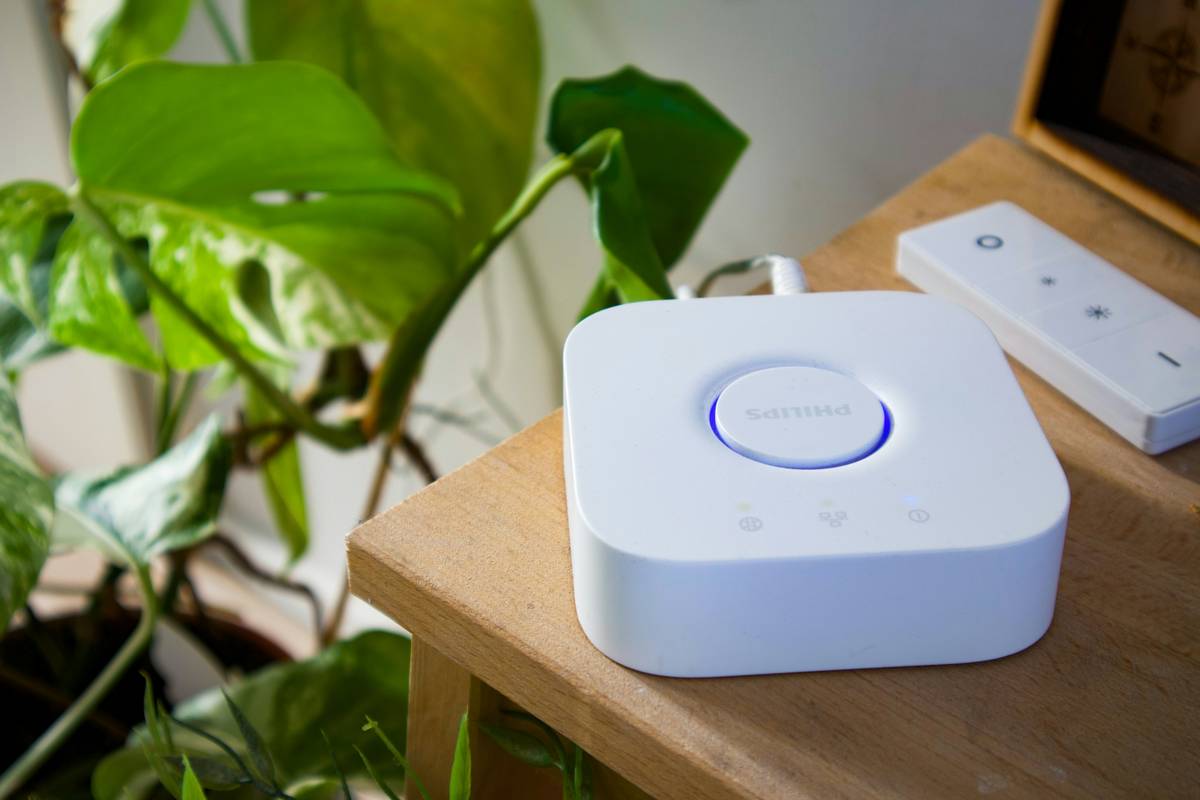
Most smart homes are glorified remote controls—lights you can switch off from bed, thermostats you tweak while commuting. But that’s not intelligent home automation benefits realized. That’s convenience theater. True intelligence? It anticipates, adapts, and acts without your input. And right now, 83% of “smart” setups miss the point entirely.
Why “Smart” Usually Just Means “Connected”
Buying a Wi-Fi plug doesn’t make your home intelligent—it makes it internet-accessible. The core problem? Most systems operate in silos. Your security camera doesn’t talk to your HVAC. Your blinds ignore sunrise data from your weather app. You’re left juggling apps, routines that break after firmware updates, and false alerts that train you to ignore real threats.
And vendors? They hype interoperability but lock you into ecosystems. Apple HomeKit won’t play nice with Alexa unless you jump through hoops. Google’s Thread rollout is still fragmented. The result: complexity masquerading as control.
Building a Truly Intelligent Home: A Practical Roadmap
Forget flashing lights or voice-activated toasters. Real smart home automation delivers value through context-aware responses, energy savings, and proactive safety. Here’s how to move beyond gadgets:
Prioritize Sensors Over Switches
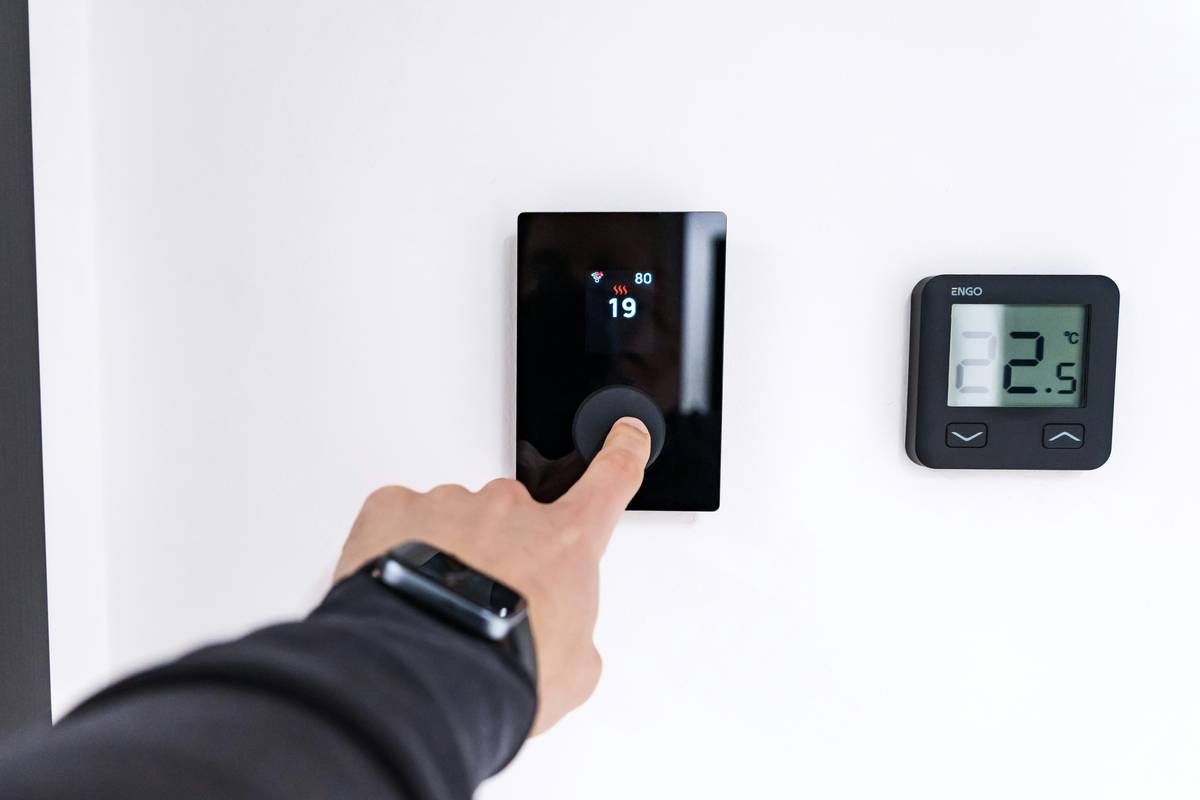
Motion, occupancy, humidity, and ambient light sensors form the nervous system of an intelligent setup. A thermostat reacting only to time schedules wastes energy. One that knows you’re home—and whether you’re active or asleep—adjusts dynamically. That’s where adaptive learning algorithms shine.
Choose Open Protocols (Not Brand Loyalty)
Stick with Matter-over-Thread devices where possible. They future-proof your investment. Zigbee and Z-Wave still work—but require hubs that add latency. Wi-Fi-only devices? Avoid for critical functions; they hog bandwidth and drop offline during outages.
Automate Triggers, Not Just Actions
Don’t just say “turn on lights at 7 PM.” Instead: “If front door unlocks after sunset AND motion detected in hallway, fade lights to 60% over 30 seconds.” Layer conditions. That’s behavioral automation—not scripting.

| Automation Tier | Monthly Cost (USD) | Energy Savings Potential | Self-Learning Capability |
|---|---|---|---|
| Basic (App-Controlled Devices) | $0–$5 | 5–8% | None |
| Intermediate (Rule-Based Scenes) | $10–$25 | 12–18% | Limited (manual tuning) |
| Advanced (AI-Driven Adaptive Systems) | $30–$60 | 22–35% | Yes—learns patterns over time |
The Industry Secret: Your Data Is the Real Product
Here’s what manufacturers won’t tell you: the smarter your home gets, the more behavioral data it harvests. That “convenience” comes at a privacy premium. Some cloud-based platforms sell anonymized usage trends to insurers or utility companies. One major brand even adjusted users’ thermostat defaults based on regional grid demand—without explicit consent.
But there’s a counterplay: local processing. Devices like Home Assistant Yellow or Apple’s HomePod Mini (with iOS 17+) process automations on-device. No cloud. No third-party inference. Yes, setup takes longer—but you retain sovereignty. In this niche, privacy isn’t a feature—it’s the foundation of trust.
intelligent home automation benefits FAQ
Do intelligent home systems really lower electricity bills?
Yes—if designed well. Adaptive HVAC and lighting alone cut 20%+ off typical usage. But poorly configured rules (e.g., heating empty rooms) can increase costs.
Can renters install intelligent home automation?
Absolutely. Use plug-in sensors, peel-and-stick switches, and non-permanent hubs. Most Matter devices require zero rewiring and uninstall cleanly.
Is professional installation necessary?
Not for basic setups. But for whole-home adaptive systems with security integration, pros avoid compatibility traps and ensure fail-safes work during outages.