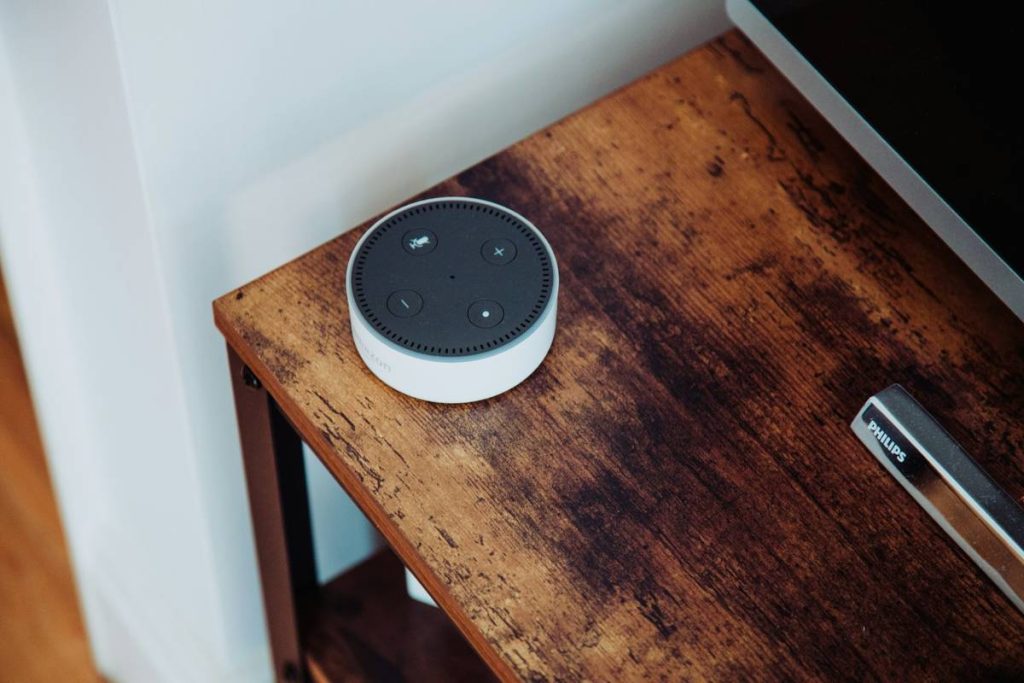
Your kitchen is quiet. The flame under the pot flickers out—unnoticed. Gas leaks don’t announce themselves with sirens. They seep in silence. And by the time you smell it, you might already be too dizzy to react. Smart home automation gas systems change that. They detect, alert, and shut off danger before your nose even twitches.
Why Traditional Gas Safety Falls Short
Most homes rely on manual vigilance or basic mechanical valves. That’s like locking your front door but leaving every window wide open. Human error dominates here—forgetting to turn off the stove, ignoring faint odors, or sleeping through a slow leak. Standard detectors? Often passive. They beep. Nothing more. No shutdown. No remote alert. No integration with your broader smart ecosystem.
And worse—they’re usually isolated devices. Your smoke alarm screams while your HVAC keeps circulating fumes. There’s zero orchestration. In 2023 alone, the U.S. Fire Administration reported over 4,000 non-fire carbon monoxide incidents linked to gas appliances. Most were preventable with proactive automation—not just detection.
Building a Smart Home Automation Gas System: A Practical Blueprint
Forget plug-and-pray gadgets. Real protection demands layered intelligence. Start with detection. Then add control. Finally, enable response protocols that mimic human judgment—but faster.
Sensor Selection: Accuracy Over Hype
Not all gas sensors are equal. Electrochemical sensors last longer and offer better specificity for methane and propane than cheaper semiconductor types. Look for UL 2075 certification—it’s non-negotiable.
Actuation: Beyond Beeping
A siren won’t stop a leak. You need an automatic shutoff valve wired directly to your gas line. These should trigger within 3 seconds of confirmed detection—no exceptions. Bonus if it integrates with your main panel (like Samsung SmartThings or Hubitat) so it talks to other devices.
Remote Oversight & Fail-Safes
What if you’re on vacation? Your system must send push alerts to your phone—and ideally, notify a trusted neighbor or monitoring service. Include battery backup. Power outages often coincide with appliance malfunctions.

| Component | Entry-Level (~$150) | Mid-Tier (~$350) | Pro-Grade (~$600+) |
|---|---|---|---|
| Gas Sensor Type | Semiconductor (less accurate) | Electrochemical + CO combo | Dual-spectrum IR + electrochemical |
| Auto Shutoff Valve | Manual reset only | Automatic, app-controlled | Hardwired, failsafe spring-loaded |
| Integration | Standalone | Works with Alexa/Google | Full Zigbee/Z-Wave hub sync, IFTTT rules |
| Alert Channels | Local buzzer | App + email | App + SMS + professional monitoring API |

The Industry Secret: False Alarms Are the Real Enemy
Here’s what vendors won’t tell you: oversensitive systems get disabled. Fast. Users hate midnight chirps from burnt toast triggering a gas emergency protocol. So real experts engineer context-aware detection. How? By cross-referencing data. Is the oven on? Is there a spike in humidity (from boiling water)? Did motion sensors confirm someone’s cooking? Advanced setups use AI-driven correlation—not just gas concentration—to decide if action is needed. One European manufacturer even uses acoustic analysis to distinguish between a hissing leak and steam release. That’s the future—and it’s already here, quietly embedded in high-end hubs.
Think about it: reliability isn’t just about catching leaks. It’s about never crying wolf.
FAQ
Can smart home automation gas systems work during power outages?
Yes—if they include battery backup and mechanical fail-safes. Pro-grade auto shutoff valves use spring-loaded mechanisms that close without electricity.
Do these systems detect natural gas and propane?
Most modern sensors are calibrated for both methane (natural gas) and propane. Always verify the sensor’s spec sheet before buying.
Will installing one void my home insurance?
Quite the opposite. Many insurers offer discounts for automated gas shutoff systems—they reduce risk significantly.