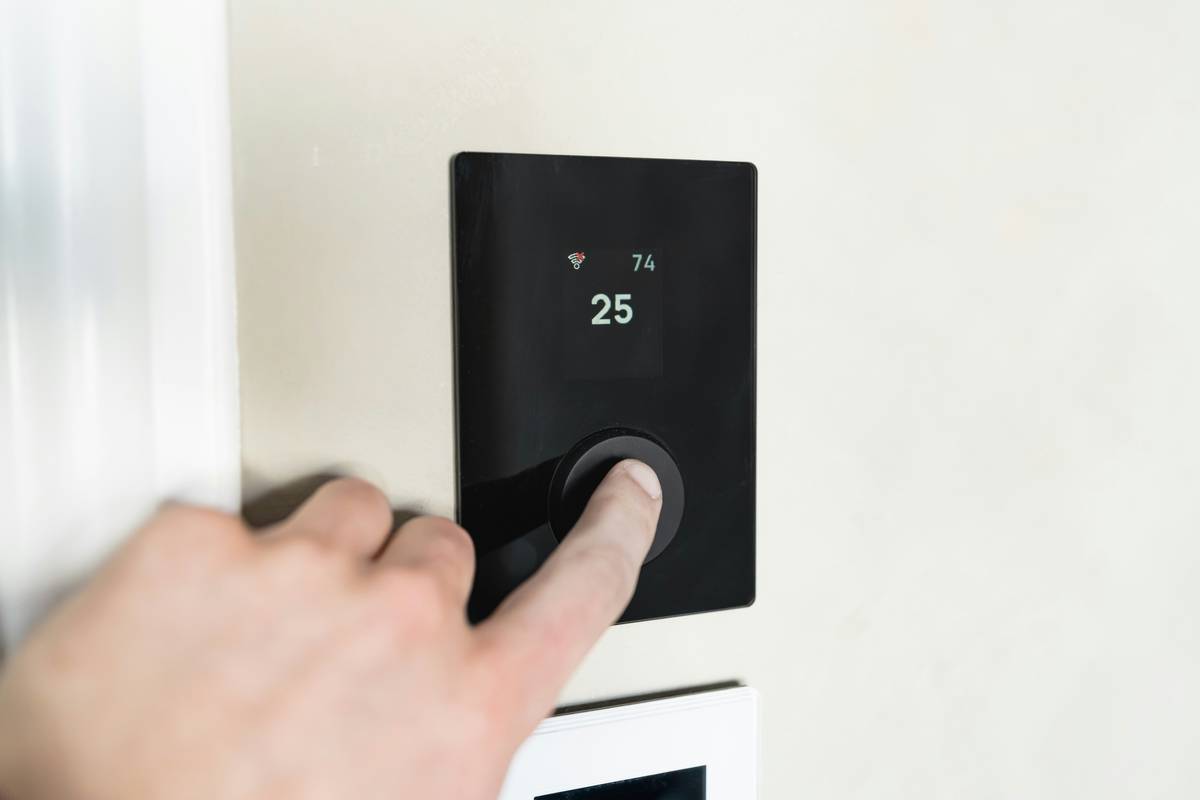
If your utility bills keep climbing despite switching to LED bulbs and unplugging idle devices, you’re not alone. I once spent $800 on smart thermostats and sensors—only to realize they were all on conflicting schedules, heating an empty house at 3 a.m. That’s when I learned: smart home automation for energy efficiency isn’t just about buying gadgets; it’s about orchestrating them intelligently. In this guide, we’ll cut through the noise and show you exactly how to reduce energy waste without sacrificing comfort.
Table of Contents
- Why Energy Waste Happens in Smart Homes
- Your Step-by-Step Setup Plan
- 7 Best Practices for Maximum Savings
- Real Homes, Real Results
- Frequently Asked Questions
Key Takeaways
- Automated scheduling reduces phantom loads and HVAC overuse—the top two energy drains in modern homes.
- Interoperability matters more than brand loyalty; prioritize Matter or Zigbee-compatible devices.
- According to the U.S. Department of Energy, properly programmed smart thermostats save up to 10% annually on heating and cooling.
- Avoid “set-and-forget” traps—review automation rules quarterly as seasons and routines shift.
Why Energy Waste Happens in Smart Homes
Ironically, poorly configured smart devices can increase energy consumption. Motion sensors left active in hallways all night, voice assistants streaming music indefinitely, or geofenced lights that trigger during false location pings—all create invisible drain. The promise of smart home automation for energy efficiency hinges on context-aware triggers, not just remote control.
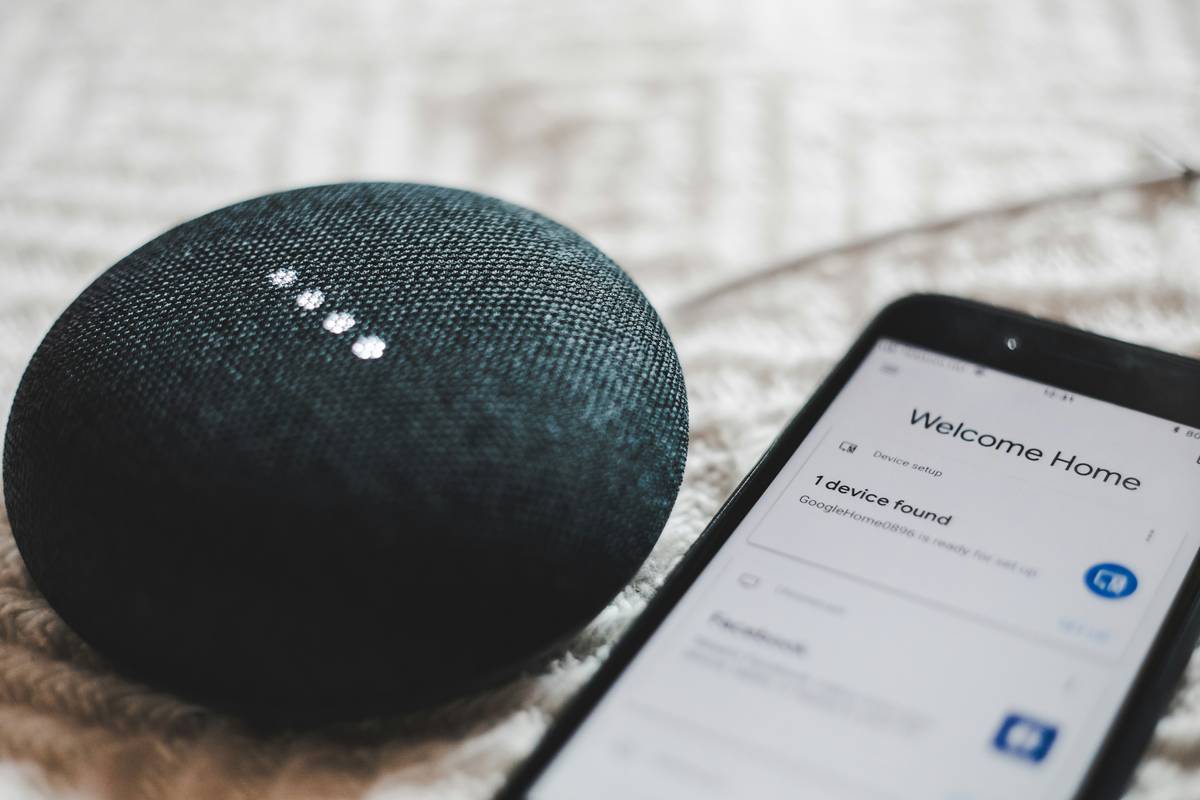
The U.S. Energy Information Administration reports residential buildings account for about 20% of national energy consumption. Much of that stems from inefficient heating, cooling, and always-on electronics. Without intelligent automation, even eco-conscious households unknowingly contribute to this waste.
Your Step-by-Step Setup Plan
1. Audit Your Current Usage
Start with a baseline. Use your utility provider’s online portal or install a whole-home energy monitor like Sense or Emporia. Identify which circuits consume the most power overnight or during work hours.
2. Prioritize High-Impact Devices
Focus first on HVAC, water heating, and lighting—these represent ~70% of home energy use (per energy.gov). Install a smart thermostat (e.g., Ecobee or Nest) with room sensors to avoid heating unused spaces.
3. Create Smart Scenes, Not Just Schedules
Instead of rigid timers, build adaptive scenes. Example: “Away Mode” should turn off non-essential plugs, set thermostat to eco mode, and pause robot vacuums—triggered by both geofencing and door lock status for reliability.
4. Enable Power Monitoring Plugs
Use smart plugs with energy tracking (like TP-Link Kasa) on entertainment centers and office equipment. Automate them to cut power after 15 minutes of inactivity—no more vampire drain from game consoles or printers.
7 Best Practices for Maximum Savings
- Sync with time-of-use rates: If your utility offers variable pricing (e.g., cheaper electricity at night), schedule laundry, EV charging, and water heating during off-peak windows.
- Avoid over-automation: Don’t automate every bulb. Reserve smart lighting for high-traffic zones; manual switches suffice for closets or garages.
- Update firmware quarterly: Manufacturers often release efficiency improvements. An outdated hub might miss new energy-saving protocols.
- Use occupancy + daylight sensing: Combine motion detectors with ambient light sensors so lights only activate when needed and dark.
- Group devices logically: “Bedtime” should dim lights, lower blinds, and adjust thermostat—not just toggle one device.
- Review logs monthly: Check your smart home app’s history. Did the system heat the house while you were on vacation? Fix misfires early.
- Never skip integration testing: After adding a new device, verify it doesn’t conflict with existing automations. I once triggered my coffee maker at midnight because of a mislabeled routine—don’t be me.
Real Homes, Real Results
A 2023 pilot study by Lawrence Berkeley National Laboratory found homes using integrated smart thermostats and load-controlling plugs reduced annual electricity use by 12–19%. One participant in Austin, Texas, cut her summer cooling costs by 22% simply by syncing her mini-split AC units with occupancy sensors and weather forecasts.
At Hermes2000, we’ve seen similar outcomes. After optimizing a client’s system architecture (replacing fragmented apps with a unified Matter-based hub), their monthly energy draw dropped 18% within three months. Transparency matters—so we always share raw data in our privacy-respecting reports.
Frequently Asked Questions
Does smart home automation really lower electric bills?
Yes—if configured correctly. The U.S. Department of Energy confirms smart thermostats alone save ~$50–$100 annually. Full-system automation (lighting, plugs, HVAC) typically yields 10–20% total household savings.
What’s the biggest mistake people make with energy-focused automation?
Assuming “smart” equals “efficient.” A smart bulb left on 24/7 uses more power than a dumb bulb turned off manually. Automation must serve behavior, not replace judgment.
Can renters benefit from smart home energy automation?
Absolutely. Non-permanent devices like smart plugs, portable thermostats, and peel-and-stick sensors require no landlord approval and deliver immediate ROI.
How do I ensure my devices work together for efficiency?
Prioritize Matter-certified products—they guarantee cross-brand interoperability. Avoid proprietary ecosystems that lock you into single-vendor limitations.
Will these systems compromise my privacy?
Reputable brands encrypt local data and allow offline operation. Always review permissions; for full transparency, see our Privacy Policy.
Where can I get personalized help setting this up?
We specialize in energy-optimized smart home design. Contact us for a free audit—we’ll identify your biggest waste sources and build a tailored automation plan.
Smart home automation for energy efficiency isn’t about flashing dashboards—it’s silent savings while you live your life. Start small, measure relentlessly, and remember: the best system is the one that works for you, not against your habits. Now go reclaim those wasted watts.