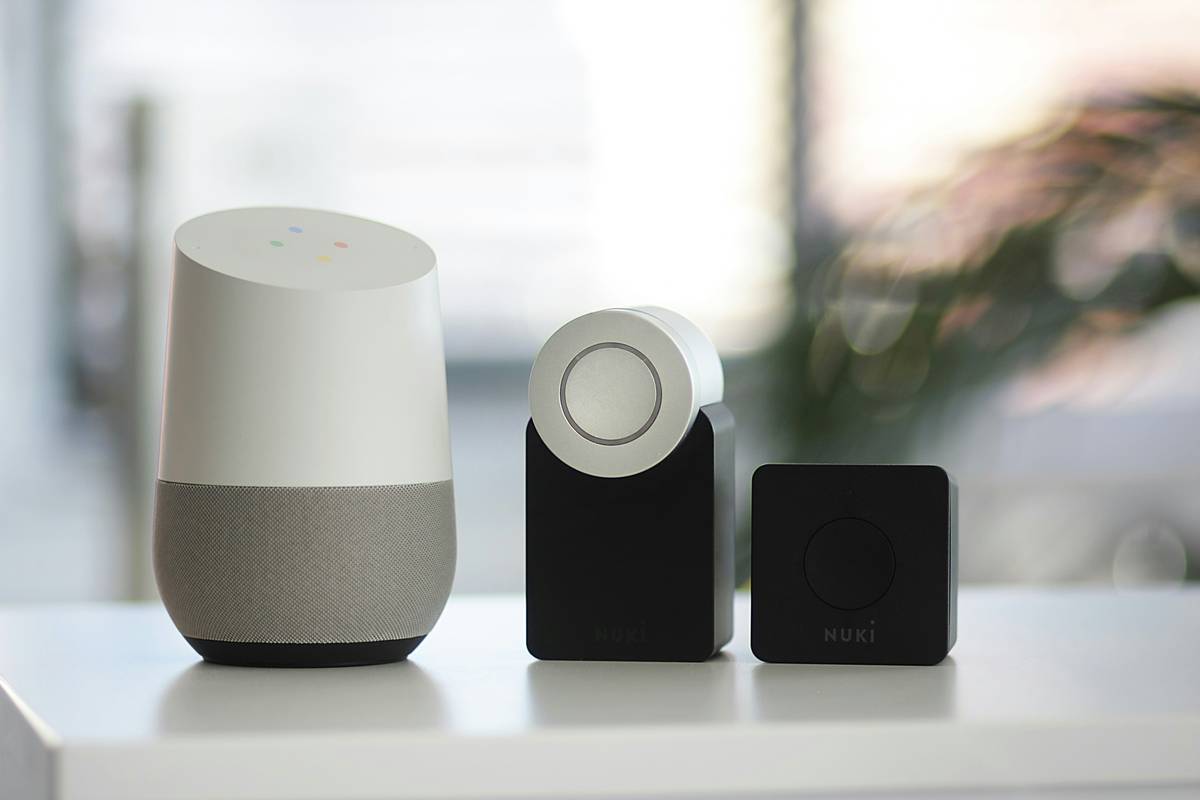
Your lights flicker on at 6 a.m. Your thermostat adjusts before you wake. The front door locks itself as you pull out of the driveway. Sounds convenient—until it doesn’t. Home automation promises control, but what happens when the system controls you? The real conversation isn’t about gadgets—it’s about whether the benefits and risks of home automation actually balance out in everyday life.
Why Most Homeowners Get Automation Wrong
They buy smart devices like they’re collecting Pokémon cards—“Gotta automate them all!” But slapping a Wi-Fi switch on every lamp won’t make your house smarter. It’ll just create more points of failure.
And most vendors won’t tell you this: interoperability is a myth. Apple HomeKit, Google Home, Amazon Alexa—they all play nice… until they don’t. You end up with three apps open just to turn off the kitchen light.
The bigger issue? Security theater. That $30 smart plug from Brand X? It’s running firmware last updated in 2019. No patches. No encryption. Just an open door for anyone who knows where to look.
How to Navigate the benefits and risks of home automation (Without Getting Burned)
Prioritize Use Cases Over Gimmicks
Start with pain points—not novelty. Automated blinds that adjust based on sunlight? Useful. A voice-controlled toaster? Not unless you burn breakfast daily.
Ask: Does this solve a recurring problem or just look cool on Instagram?
Hardwire Where Possible
Wi-Fi is convenient. Ethernet is reliable. Zigbee or Z-Wave mesh networks? Even better for critical systems like security sensors. Wireless convenience comes with signal dropouts, interference, and latency—especially in older homes with thick walls.
Isolate Smart Devices on a Separate Network
Never put your smart fridge on the same network as your laptop banking session. Create a dedicated VLAN or guest Wi-Fi just for IoT devices. If one camera gets hacked, it shouldn’t have a direct path to your financial records.
| Automation Tier | Upfront Cost | Maintenance Effort | Risk Exposure | Ideal For |
|---|---|---|---|---|
| Basic (Plug-and-Play) | $100–$300 | Low | High (cloud-dependent, minimal security) | Tech-curious renters |
| Moderate (Hub + Local Control) | $400–$800 | Medium | Medium (partial local execution) | Homeowners wanting reliability |
| Advanced (Self-Hosted/Open Source) | $900+ | High | Low (full data control, offline capability) | Privacy-focused tech veterans |

The Industry Secret No One Talks About
Vendors profit more from your dependence than your satisfaction. Here’s the reality: planned obsolescence is baked into most consumer smart home gear. Firmware updates stop after 18 months. Cloud APIs get deprecated without warning. And once your device relies on a company’s server—if they shut it down, your “smart” lock becomes a very expensive paperweight.
But there’s a loophole: open-source ecosystems like Home Assistant. They don’t care which brand you bought. They run locally. No cloud. No subscription. Yes, setup takes effort—but you own the stack. In an industry built on vendor lock-in, that’s radical.
Think about it: true automation isn’t about remote control. It’s about autonomy. If you can’t operate your home when the internet dies, you haven’t automated—you’ve just outsourced your switches.
Frequently Asked Questions
Does home automation increase home value?
Sometimes—but only if it’s reliable, well-integrated, and neutral (not tied to one brand). Buyers avoid homes full of proprietary, outdated gadgets.
Can hackers really access my home through smart devices?
Absolutely. Unsecured cameras, routers, and even smart vacuums have been used as entry points. Isolation and regular updates are non-negotiable.
What’s the biggest hidden risk of home automation?
Over-reliance. When systems fail during power outages or internet loss, people forget how to manually operate doors, lights, or thermostats—creating real safety hazards.