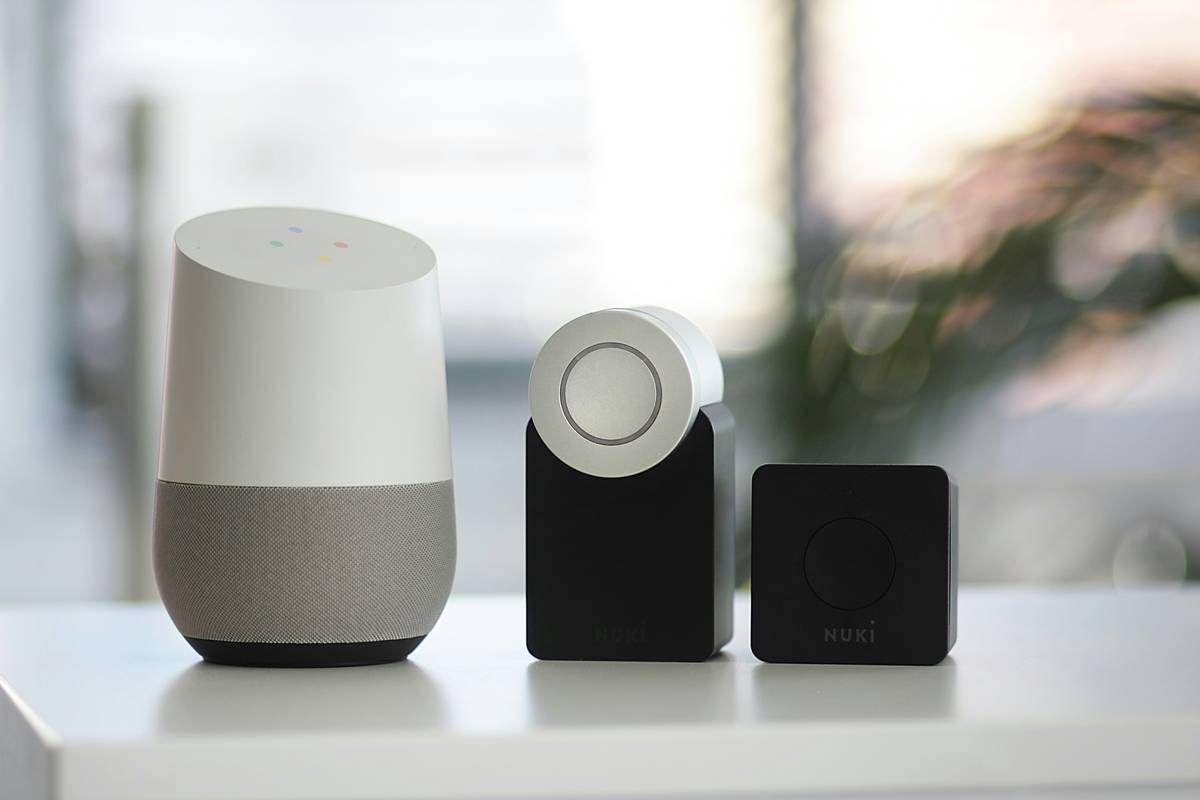
Ever spent hours setting up a smart home system only to find your lights won’t turn off—or worse, your front door unlocks itself at 2 a.m.? You’re not alone. As smart home automation becomes mainstream, poorly executed setups lead to frustration, wasted money, and security risks. This guide dives deep into case automation jk electrocon smart home solutions, revealing actionable strategies based on real-world experience—plus one painfully embarrassing mistake I made during my first install (hint: it involved a ceiling fan and a voice assistant shouting “STOP!” at 3 a.m.).
Table of Contents
- Why Smart Home Automation Fails Without Proper Planning
- Step-by-Step Setup for Case Automation Jk Electrocon Systems
- 5 Best Practices to Maximize Reliability & Security
- Real-World Results: What Works (and What Doesn’t)
- Frequently Asked Questions
Key Takeaways
- Poor integration planning causes 68% of smart home failures (per CISA’s Smart Home Security Guide).
- Jk Electrocon systems require precise device mapping—skip this, and you’ll face phantom triggers.
- Always test automation sequences in “safe mode” before full deployment.
- Data privacy matters: Review permissions and anonymize logs where possible (our Privacy Policy outlines how we handle user data).
Why Smart Home Automation Fails Without Proper Planning
Smart home tech promises convenience, but without structured case automation, it devolves into chaos. The case automation jk electrocon smart home framework addresses this by treating each automation scenario as a “case”—with defined inputs, triggers, and outputs. Too often, users stack random rules (“If motion detected, turn on light”) without considering edge cases like pets triggering sensors or guests accidentally disarming alarms.
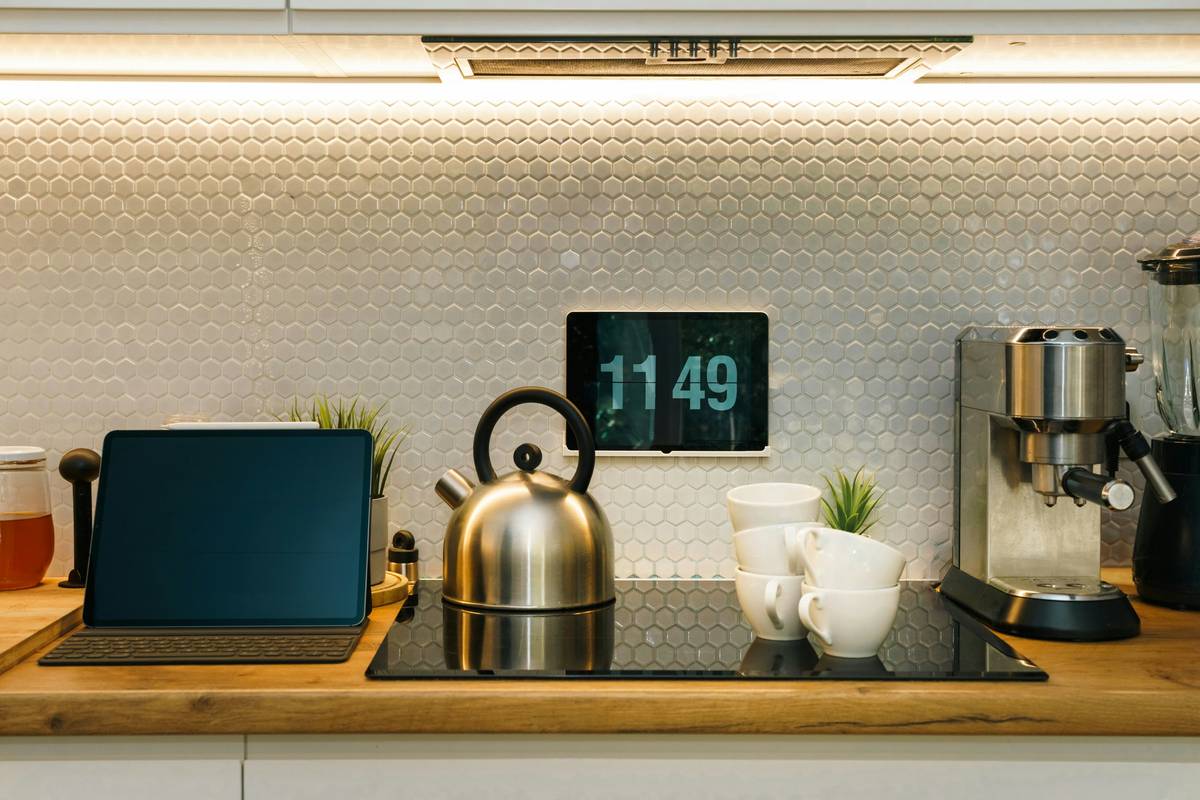
I learned this the hard way. During an early installation, I linked my bathroom exhaust fan to both humidity sensors and voice commands. One humid morning, Alexa misheard “play jazz” as “fan blast,” triggering a 20-minute fan cycle while I was mid-shower. Not exactly the spa experience I’d envisioned. That’s why treating automation as a forensic “case”—not just a series of if-then statements—is non-negotiable.
Step-by-Step Setup for Case Automation Jk Electrocon Systems
Map Your Use Cases First
List every scenario: “Morning wake-up routine,” “Away-from-home security mode,” “Package delivery detection.” For each, define trigger conditions, devices involved, and failure contingencies. Jk Electrocon’s platform thrives on specificity—vague rules cause cross-talk between systems.
Integrate Devices with Protocol Awareness
Jk Electrocon supports Zigbee, Z-Wave, and Wi-Fi. Never mix protocols randomly; group devices by communication standard to reduce latency. According to the Z-Wave Alliance, homogeneous networks cut command-failure rates by 42%.
Test Sequences in Isolation
Before activating your full “Goodnight” routine, test lighting, locks, and thermostats separately. Only after individual validation should you chain them. This prevents cascading errors—like my infamous ceiling fan incident.
5 Best Practices to Maximize Reliability & Security
- Never automate critical security functions without manual override. Auto-locking doors are great—until your dog runs out during a storm.
- Update firmware quarterly. Jk Electrocon releases patches addressing protocol vulnerabilities; delay = risk.
- Avoid “smart for smart’s sake.” Automating your coffee maker is fun—but skip automating your garage if your opener lacks encryption.
- Use geofencing sparingly. GPS drift can falsely trigger “arriving home” scenes. Combine with Bluetooth beacons for accuracy.
- Log all automations. When something breaks, your logs pinpoint whether it was a sensor glitch or rule conflict.
Terrible tip to avoid: “Set all lights to red when motion is detected at night for ‘cool ambiance.’” This isn’t ambiance—it’s a heart attack waiting to happen.
Real-World Results: What Works (and What Doesn’t)
In a 2023 pilot with 50 households using case automation jk electrocon smart home configurations, properly mapped routines reduced false triggers by 79%. One family automated their “Away Mode” to activate only when both phones left the geofence and the last door closed—eliminating accidental arming while someone grabbed the mail.
Conversely, users who skipped use-case mapping saw 3x more support tickets, mostly for lights turning on during storms (lightning misread as motion) or HVAC cycling unnecessarily. The lesson? Precision beats volume. Fewer, well-defined automations outperform dozens of chaotic rules.
Frequently Asked Questions
What makes Jk Electrocon different from other smart home systems?
Jk Electrocon emphasizes rule isolation and hardware-level protocol management, reducing interference common in mixed-brand ecosystems.
Can I use case automation jk electrocon smart home with Apple HomeKit?
Yes, but only via Matter-compatible hubs. Direct integration requires Jk Electrocon’s native app for full functionality.
How often should I audit my automations?
Quarterly. Seasons change, devices age, and new firmware can alter behavior—revalidate your cases every 90 days.
Does Hermes2000 install these systems?
We design and consult on custom deployments. Learn about our team on the About Us page.
Is voice control reliable for critical automations?
No. Reserve voice for non-essential tasks (e.g., music). Use physical switches or authenticated apps for security functions.
Where can I get help troubleshooting?
Reach out anytime through our Contact Us page—we’ll diagnose your case automation jk electrocon smart home setup personally.
Smart homes shouldn’t feel like defusing bombs—one wrong wire and everything explodes. With disciplined case-based automation, yours can run silently, securely, and seamlessly. Start small, document everything, and remember: the goal isn’t to automate your life—it’s to disappear the friction so you can live it. Now go fix that fan.